25506
SARM Antibody
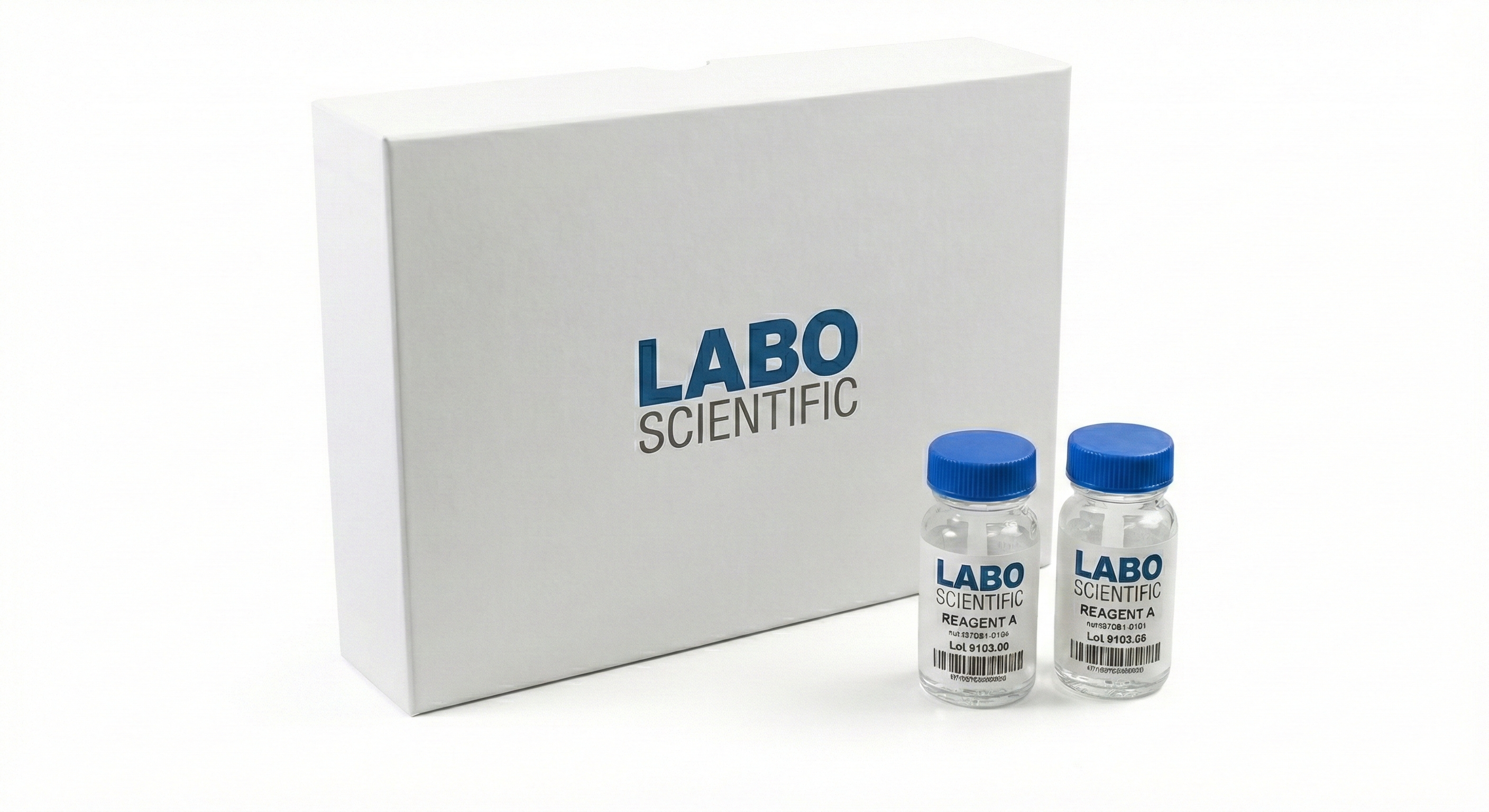
SARM Antibody (catalogue number 25506) is a rabbit-derived primary antibody validated for ELISA WB, reactive with Hu Ms Rt samples. It targets NAD(+) hydrolase SARM1 (SARM1): NAD(+) hydrolase, which plays a key role in axonal degeneration following injury by regulating NAD(+) metabolism. Supplied as 100ul at ₪2,157.75; the final price is confirmed on your quote and the lot certificate of analysis ships with the order.
- Host / source
- Rabbit
- Reactivity
- Hu Ms Rt
- Applications
- ELISA WB
- UniProt ID
- Q6SZW1
- Gene
- SARM1
- Target organism
- Homo sapiens
- Catalogue number
- 25506
- Brand
- LABO Scientific
- Storage
- Store at -20°C for long term preservation (recommended). Store at 4°C for short term use.
Target background
Target: NAD(+) hydrolase SARM1 (SARM1) · Homo sapiens
NAD(+) hydrolase, which plays a key role in axonal degeneration following injury by regulating NAD(+) metabolism. Acts as a negative regulator of MYD88- and TRIF-dependent toll-like receptor signaling pathway by promoting Wallerian degeneration, an injury-induced form of programmed subcellular death which involves degeneration of an axon distal to the injury site.
Subcellular location: Cytoplasm; Cell projection, axon; Cell projection, dendrite; Synapse; Mitochondrion
Tissue specificity: Predominantly expressed in brain, kidney and liver. Expressed at lower level in placenta
Sequence length: 724 aa · 79388 Da
Protein background from UniProtKB, licensed under CC BY 4.0. Describes the target antigen, not this product.
Ordering in Israel
- Lead time
- Ships from the manufacturer to your lab in 8–14 business days; customs and cold chain handled by LABO Scientific.
- Pricing
- Quoted in ILS, excl. VAT. Add the item to your quote and we confirm the final price, usually the same business day.
- Storage
- Store at -20°C for long term preservation (recommended). Store at 4°C for short term use.
- Documents
- Lot certificate of analysis and manufacturer SDS are emailed with your order confirmation.
- Who we serve
- Universities, hospitals and biotech companies across Israel. Research use only — not for diagnostic or therapeutic use.
- Questions
- WhatsApp · +972-55-990-7576 · orders@labo.co.il